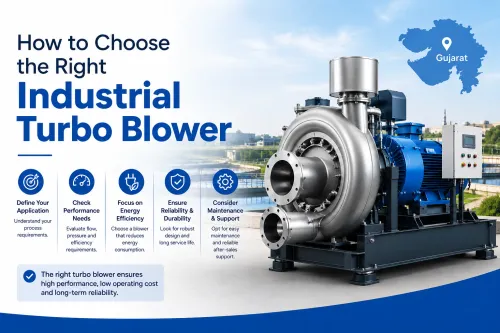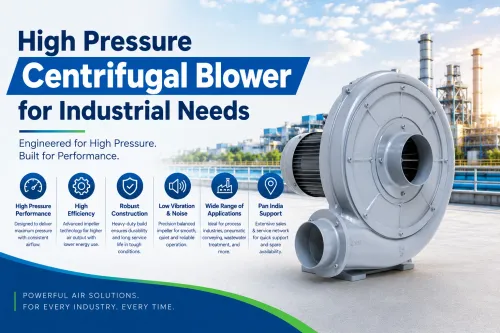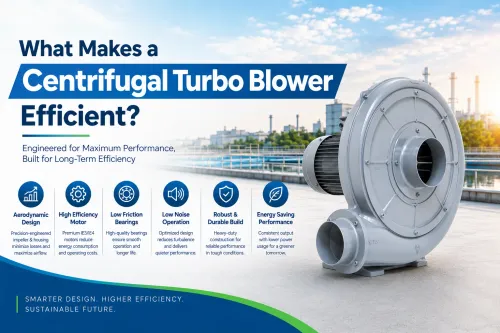
Industrial businesses depend on reliable airflow systems to support production, ventilation, cooling, and material handling. Air blowers play an important role in many manufacturing processes by delivering air at the required volume and pressure. Choosing suitable equipment helps businesses maintain smooth operations and meet their process requirements.
Finding a trusted Air Blower Manufacturer is an important step for companies looking for dependable industrial airflow solutions. The right manufacturer can help buyers understand product specifications, evaluate application requirements, and select equipment that suits their operating conditions. Product quality and technical support are also important considerations.
Gujarat is one of India's major industrial states, with businesses operating in pharmaceuticals, chemicals, textiles, cement, food processing, engineering, and wastewater treatment. These industries often require specialised air-moving equipment for different applications. Selecting the right blower depends on the process, required airflow, operating pressure, and installation environment.
Before purchasing an air blower, businesses should compare technical specifications, energy requirements, maintenance needs, and expected operating conditions. A well-planned selection can help reduce avoidable operating problems and support consistent performance. Working with an experienced supplier can make the selection process easier.
Understanding Industrial Air Blowers
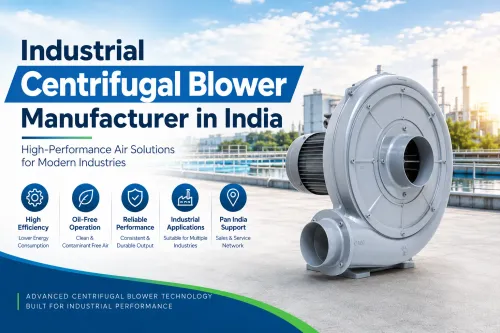
An industrial air blower is a mechanical device designed to move air for specific industrial applications. Depending on its design, it may provide airflow for ventilation, cooling, aeration, pneumatic conveying, or process-air supply. Different blower technologies are suitable for different pressure and airflow requirements.
Common types of industrial blowers include centrifugal blowers, turbo blowers, side channel blowers, and Roots-type blowers. Each type has its own operating characteristics, performance range, and application suitability. Understanding these differences helps businesses choose equipment that matches their process requirements.
A centrifugal blower uses a rotating impeller to move air and increase its pressure, while a side channel blower uses a different mechanism to generate airflow and pressure. Turbo blowers may use high-speed rotating components and advanced motor technologies. The most appropriate option depends on the required airflow, pressure, and operating conditions.
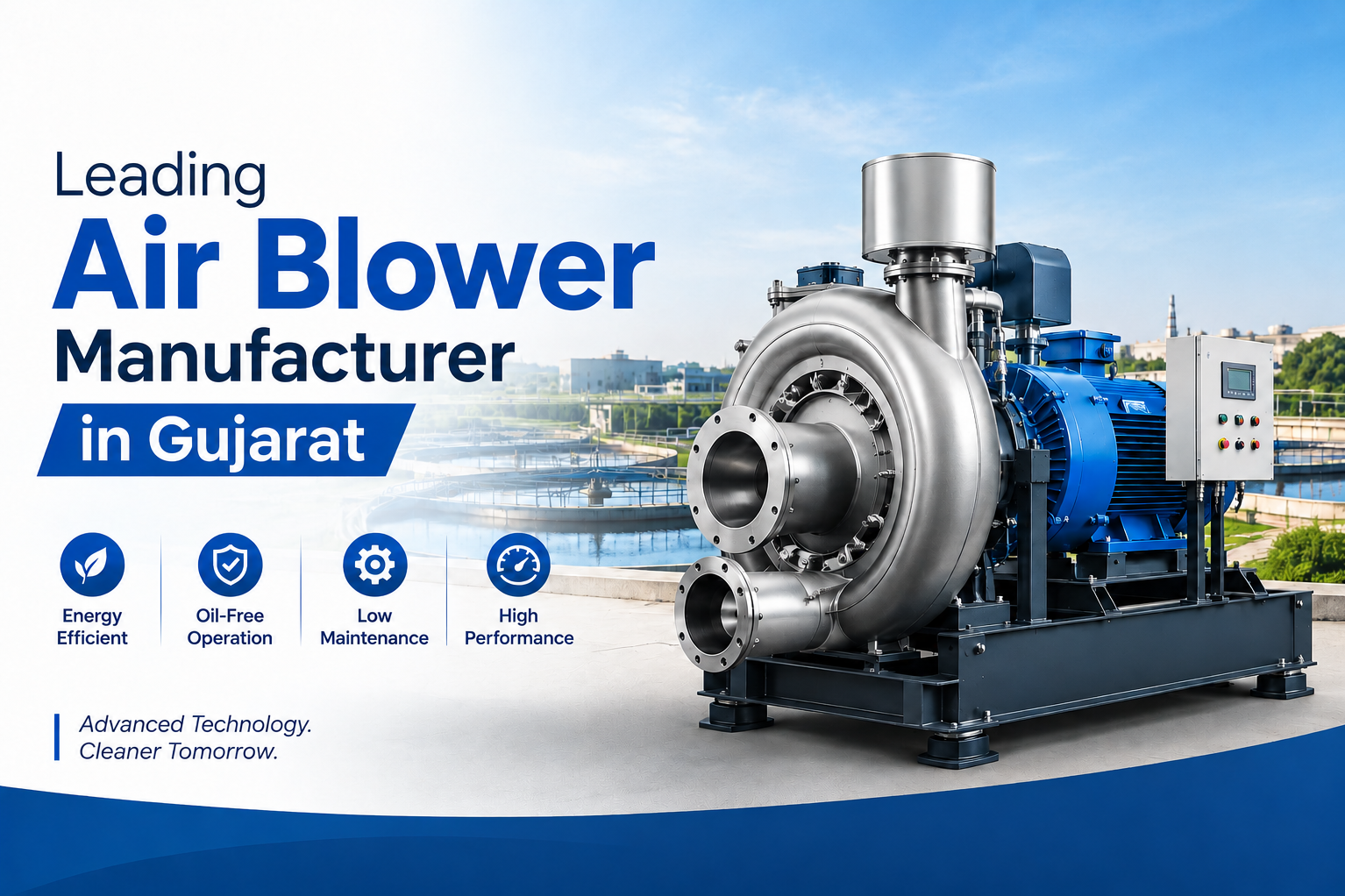
A reliable Air Blower Manufacturer should provide clear product specifications to help customers compare available options. Buyers should review airflow capacity, pressure range, motor power, construction materials, and operating limits before selecting a model for their facility.
Why Gujarat Industries Need Reliable Air Blowers
Gujarat has a diverse industrial landscape, and many businesses rely on consistent airflow to maintain production processes. Manufacturing facilities may use blowers for equipment cooling, ventilation, drying, and specialised process-air requirements. Choosing suitable equipment helps support reliable operations and process consistency.
Wastewater treatment plants use air blowers to supply air for biological treatment and aeration processes. The required blower capacity depends on the treatment system, oxygen demand, operating pressure, and plant design. Correct equipment selection helps the system meet its intended performance requirements.
Chemical and pharmaceutical industries may need airflow systems for ventilation and specific production applications. In these environments, factors such as air composition, temperature, moisture, and exposure to corrosive substances may affect blower selection. Buyers should confirm that the equipment is suitable for the intended operating environment.
Textile, food processing, cement, and engineering facilities may also use air blowers for different industrial tasks. Requirements vary between applications, so businesses should assess their operating conditions before purchasing equipment. A technical discussion with the supplier can help identify suitable product options.
Key Benefits of Choosing the Right Air Blower
A properly selected air blower can provide dependable airflow for industrial operations. Consistent air supply is important for processes that rely on controlled ventilation, cooling, aeration, or material movement. Performance depends on choosing the correct blower type and operating it within its specified range.
Energy consumption is another important consideration for industrial buyers. Motor efficiency, airflow requirements, operating pressure, system resistance, and operating hours all affect power usage. Selecting equipment that matches the actual demand can help avoid unnecessary energy consumption.
Maintenance requirements should also be evaluated before purchasing a blower. Depending on the design, maintenance may include inspecting bearings, motors, impellers, filters, belts, and electrical connections. Following the manufacturer's maintenance recommendations helps identify potential problems and maintain reliable operation.
Working with an experienced Air Blower Manufacturer can help businesses understand equipment features and maintenance requirements. Clear documentation, suitable product options, and technical guidance can support better purchasing decisions and long-term equipment management.
How to Choose an Air Blower Manufacturer in Gujarat
Start by identifying the airflow and pressure requirements of your application. Consider the equipment connected to the blower, including pipelines, ducts, filters, and valves, because these components can affect system resistance. Accurate requirements help the manufacturer recommend a suitable model.
Next, review the manufacturer's product range and technical specifications. Check the rated airflow, operating pressure, motor capacity, construction materials, and suitability for your operating environment. Performance curves and product documentation can help you compare models more accurately.
Manufacturing quality and product reliability are also important. Buyers should understand the construction, operating limits, maintenance requirements, and expected service conditions of the proposed equipment. The selected blower should be appropriate for the application's duty cycle and environmental demands.
Finally, consider technical support and after-sales service. Installation guidance, troubleshooting assistance, spare parts availability, warranty terms, and maintenance recommendations can influence the overall ownership experience. Compare the complete value offered rather than choosing only on the basis of initial price.
Industrial Applications of Air Blowers
In wastewater treatment, air blowers provide airflow for aeration systems that support biological treatment processes. The equipment must meet the plant's airflow and pressure requirements to support the designed treatment conditions. Selecting a suitable model can help maintain dependable operation.
In manufacturing facilities, blowers may be used for ventilation, cooling, drying, and process-air supply. Each application has different performance requirements, so businesses should consider airflow volume, temperature, operating pressure, and installation space when selecting equipment.
Pneumatic conveying systems use air to transport suitable materials through pipelines. The blower must be selected according to material characteristics, conveying distance, pipeline design, and required pressure. Correct system design is essential for reliable material movement and efficient operation.
Cement, chemical, textile, and food processing industries may use different blower technologies depending on their production needs. Before installation, businesses should verify that the selected equipment is compatible with the material being handled and the surrounding operating environment.
Improving Air Blower Performance and Efficiency
Correct sizing is one of the most important factors in achieving reliable blower performance. A unit that is too small may fail to meet process demand, while an oversized unit may consume unnecessary power. Businesses should determine the required operating point before choosing equipment.
The design of the complete airflow system also affects performance. Poorly designed ductwork, blocked filters, air leaks, and unnecessary restrictions can increase system resistance. Reviewing these components may help improve airflow and reduce avoidable energy use.
Regular maintenance supports dependable operation over time. Inspections of key components, monitoring of unusual noise or vibration, and checks of airflow and pressure can help identify developing issues. Maintenance procedures should follow the manufacturer's instructions and applicable safety requirements.
Industrial businesses should also monitor operating conditions and power consumption where practical. Comparing actual performance with expected values can help identify changes that may require attention. Combining appropriate equipment selection with system maintenance supports long-term operational reliability.
Why Consider Usha Neuros for Industrial Blower Solutions?
Usha Neuros offers industrial blower solutions for businesses exploring equipment to meet their airflow requirements. Companies evaluating products should review the available specifications and confirm that the selected model matches their intended application, operating pressure, and required airflow.
For industrial buyers across Gujarat, a clear understanding of process requirements is essential before selecting equipment. Factors such as operating hours, installation conditions, energy consumption, and maintenance access should be considered when comparing different blower options.
Businesses can discuss their application requirements with Usha Neuros to support a more informed product evaluation. Providing details about the process, airflow demand, pressure, and operating environment can help clarify which specifications are most important for the application.
Conclusion
Choosing the right Air Blower Manufacturer in Gujarat is an important decision for businesses that depend on reliable airflow and consistent industrial performance. Buyers should consider product specifications, manufacturing quality, energy requirements, maintenance needs, and technical support before purchasing equipment.
With appropriate equipment selection and regular maintenance, industries can support dependable operations and manage their airflow requirements more effectively. Usha Neuros can be a starting point for exploring industrial blower solutions and discussing the specific needs of your facility.
Keywords