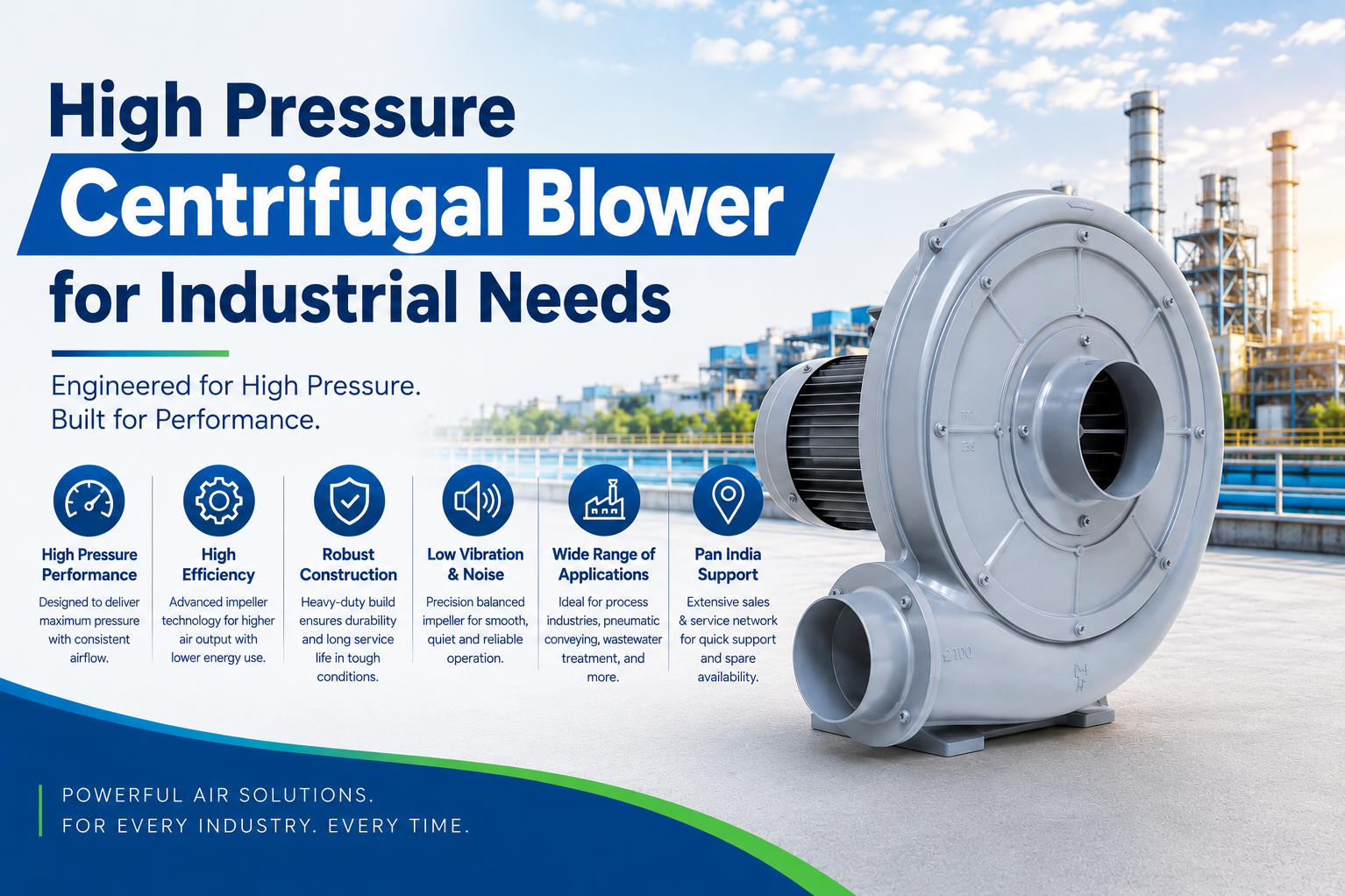
Industrial operations often require a reliable supply of air at specific pressure levels to support manufacturing, material handling, ventilation, and other processes. A High Pressure Centrifugal Blower is designed for applications that need air delivered against greater system resistance.
Many industries rely on high-pressure airflow to keep production systems operating smoothly. Applications may include pneumatic conveying, combustion air supply, industrial drying, and specialised air-handling systems. The correct blower depends on the required airflow, operating pressure, air temperature, and conditions within the installation.
Choosing suitable equipment is important for maintaining operational efficiency and managing energy consumption. An undersized blower may not meet process demand, while an oversized unit may consume more power than necessary. Understanding the application's requirements helps businesses select an appropriate solution.
For industrial buyers, working with a knowledgeable manufacturer or supplier can simplify the selection process. Reviewing technical specifications, construction quality, maintenance needs, and support services can help businesses make informed decisions about their airflow systems.
What Is a High Pressure Centrifugal Blower?
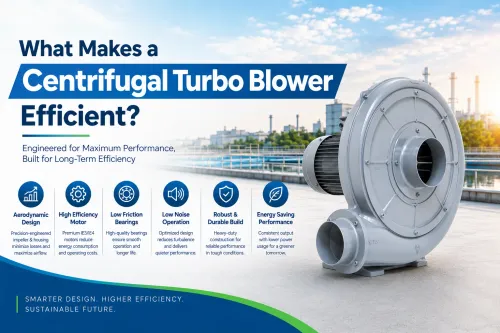
A centrifugal blower moves air using a rotating impeller that transfers energy to the incoming air. The air moves outward through the impeller and is directed through the blower housing toward the outlet. The design determines the airflow and pressure the equipment can deliver under particular operating conditions.
A High Pressure Centrifugal Blower is configured to meet applications that require higher pressure than standard low-pressure airflow systems. Its performance depends on impeller geometry, rotational speed, motor capacity, housing design, and the resistance created by connected equipment and ductwork.
These blowers are available in different sizes and configurations to suit a wide range of industrial requirements. Some applications prioritise high pressure, while others need a combination of pressure and substantial airflow. Buyers should review the blower performance curve to confirm that the proposed model meets the required operating point.
The blower should also be considered as part of the complete system. Filters, ducts, valves, pipelines, and other components can create pressure losses that affect performance. Proper system design helps the blower operate within its intended range and supports dependable airflow.
Key Benefits for Industrial Applications
One important benefit of a properly selected high-pressure blower is its ability to deliver air against system resistance. This makes it suitable for processes where air must pass through long pipelines, specialised equipment, or systems with higher pressure requirements. Actual performance depends on the blower design and operating conditions.
Reliable airflow can help maintain process consistency in industrial environments. When a blower is correctly sized and operated, it can provide the air supply needed for the intended application. This is particularly important in production processes where airflow interruptions may affect output or equipment operation.
Energy efficiency is another consideration for businesses planning an industrial airflow system. Motor efficiency, blower design, operating pressure, leakage, and control methods all influence power consumption. Choosing the correct model and reducing avoidable system resistance can help manage energy costs.
Maintenance and serviceability also contribute to long-term value. Equipment that can be inspected and maintained according to the manufacturer's instructions may help reduce avoidable interruptions. Buyers should consider maintenance access, replacement component availability, and technical support when comparing different blower options.
Common Industrial Uses of High Pressure Centrifugal Blowers
Manufacturing plants may use high-pressure centrifugal blowers for process air, industrial ventilation, drying, and other applications that require a controlled air supply. The appropriate configuration depends on the required pressure, airflow volume, temperature, and operating schedule.
In pneumatic conveying systems, blowers help move suitable bulk materials through pipelines. The system must be designed around the material characteristics, conveying distance, pipeline dimensions, and required pressure. Selecting the correct equipment helps support reliable material movement and reduce operational problems.
Cement, chemical, and other heavy industries may require high-pressure airflow for selected process operations. These environments can involve dust, heat, or demanding duty cycles, so the blower's construction and operating limits should be reviewed carefully. Appropriate filtration and protective measures may also be necessary.
Food processing, textile, and pharmaceutical facilities may use specialised blower systems for selected air-handling applications. Buyers should verify that the equipment materials and design are suitable for the process environment and any applicable industry requirements. A technical assessment helps establish the most appropriate blower configuration.
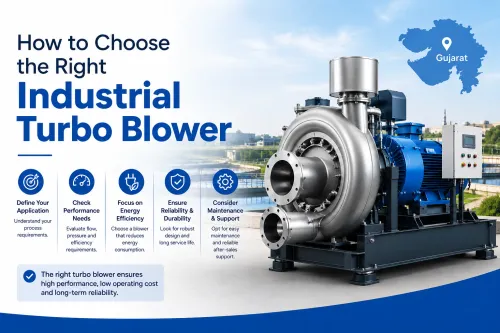
How to Choose the Right High Pressure Centrifugal Blower
The first step is to determine the airflow and pressure required by the application. These parameters should reflect the actual operating conditions of the complete system rather than the maximum values alone. A clear assessment helps prevent incorrect sizing and supports reliable performance.
Next, consider the operating environment and the characteristics of the air being handled. Temperature, moisture, dust, corrosive substances, installation space, and operating hours can influence equipment selection. The blower materials and configuration should suit these conditions.
Motor power and energy consumption should also be evaluated. Compare the expected operating point, motor efficiency, and available control options rather than relying only on the motor's rated capacity. Correct sizing and a well-designed air distribution system can help avoid unnecessary energy use.
Finally, review the supplier's technical documentation and service capabilities. Ask for performance curves, operating limits, installation recommendations, maintenance guidance, and warranty information. These details help businesses compare products and choose a blower that fits their requirements.
Maintenance Tips for Reliable Blower Performance
Regular inspection is important for keeping a blower system operating as intended. Depending on the design, maintenance may include checking bearings, impeller condition, motor components, fasteners, filters, and electrical connections. Always follow the manufacturer's recommended inspection schedule and safety procedures.
Monitoring vibration, noise, temperature, airflow, and pressure can help identify changes in operating performance. Unusual readings may indicate a developing mechanical issue, a blocked filter, a system restriction, or another problem that needs investigation. Addressing these issues early may help reduce unexpected downtime.
Keeping air inlets, filters, and connected ductwork clean can help minimise avoidable pressure losses. Leaks and restrictions may force the blower to work harder to deliver the required airflow. Periodic system checks can therefore support efficient operation as well as equipment reliability.
A properly maintained High Pressure Centrifugal Blower can support consistent industrial airflow over its service life. Maintenance alone cannot compensate for incorrect sizing or poor system design, so businesses should review the overall installation whenever performance problems continue.
Choosing an Industrial Blower Supplier
When evaluating a blower supplier, consider the product range, technical knowledge, manufacturing quality, and availability of application guidance. A supplier should be able to explain the equipment's rated airflow, pressure range, motor requirements, and operating limits. This information helps buyers determine whether the product suits their process.
After-sales service can be equally important, especially for facilities that operate for extended hours. Installation guidance, troubleshooting support, maintenance recommendations, and spare parts availability may influence the long-term ownership experience. Buyers should clarify the support available before placing an order.
Businesses should compare total operating costs instead of focusing only on the initial purchase price. Electricity consumption, maintenance requirements, expected downtime, and equipment suitability can all affect the overall cost. A suitable blower should meet the process requirements while offering an appropriate balance of performance and operating value.
Usha Neuros offers industrial blower solutions for businesses exploring airflow equipment. Companies considering a High Pressure Centrifugal Blower can review the available product information and discuss their application requirements with the company to determine which options may be suitable.
Explore Industrial Blower Solutions with Usha Neuros
Choosing the right industrial blower starts with a clear understanding of the process. Before comparing models, businesses should identify their required airflow, operating pressure, duty cycle, air characteristics, and installation conditions. These details help establish the technical criteria for selecting appropriate equipment.
Usha Neuros provides industrial blower solutions for different application requirements. Industrial buyers should confirm the specifications of the relevant model and its suitability for their operating conditions before making a purchase decision.
Sharing accurate application details with the supplier can support a more informed technical discussion. Information about system pressure, airflow demand, operating hours, and environmental conditions helps clarify the performance requirements that the selected equipment must meet.
Conclusion
A High Pressure Centrifugal Blower can play an important role in industrial applications that require reliable airflow against higher system resistance. Factors such as impeller design, correct sizing, motor efficiency, system layout, and maintenance practices all influence performance and operating costs.
By assessing technical requirements and comparing equipment specifications, businesses can make informed decisions about their airflow systems. Usha Neuros can be a starting point for exploring industrial blower solutions and discussing the specific needs of your application.
Keywords