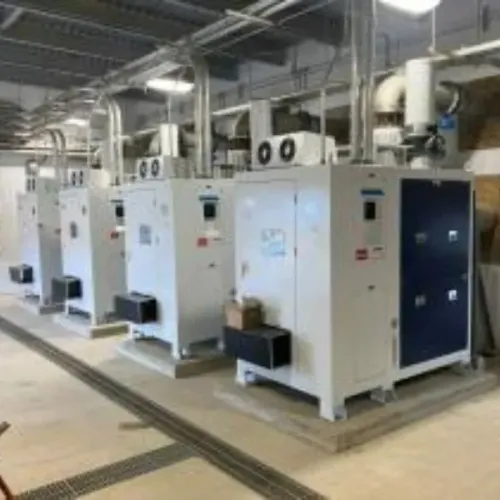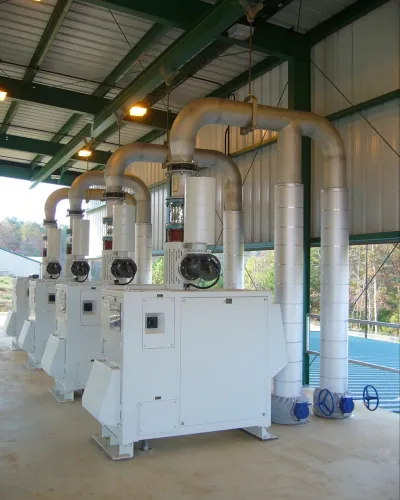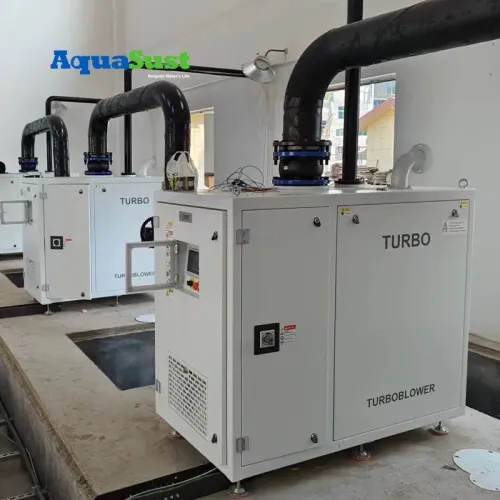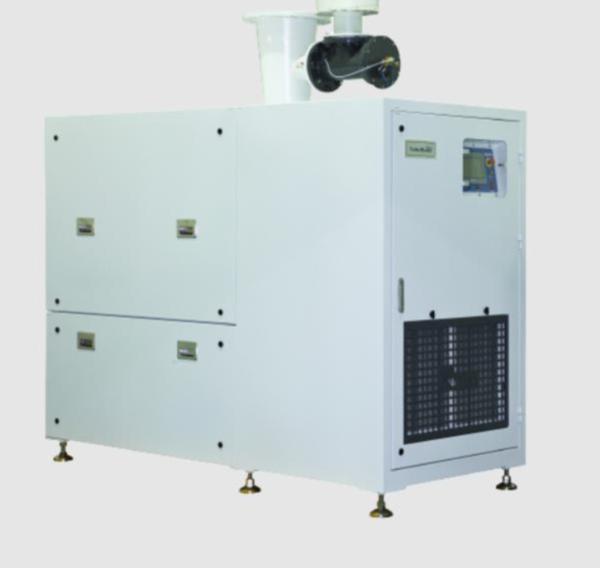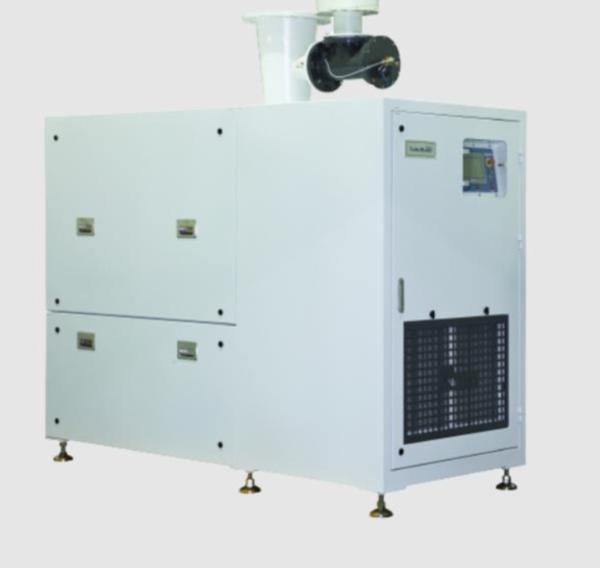
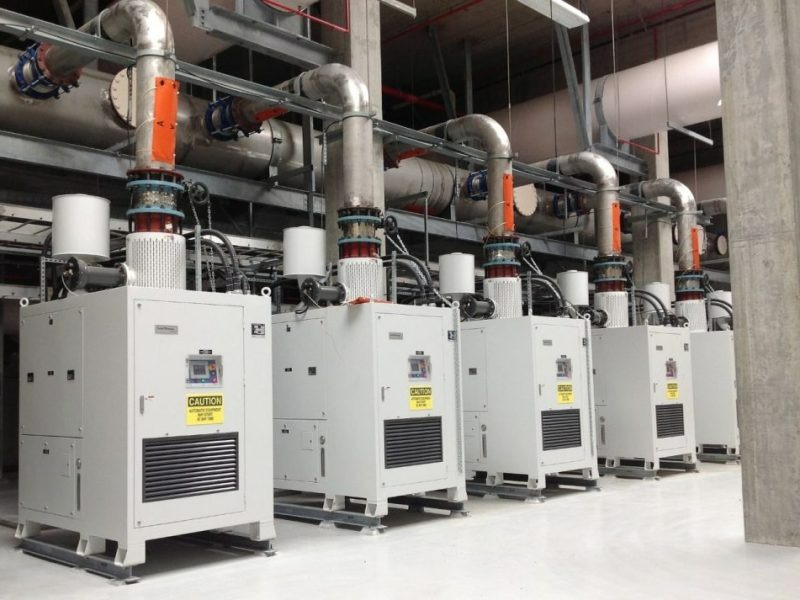
Wastewater treatment requires reliable aeration to support the biological processes that remove organic pollutants. A Turbo Blower for STP supplies the air needed by microorganisms during the treatment process. With efficient airflow and stable operation, turbo blowers can help wastewater treatment plants maintain consistent aeration performance.
Modern sewage treatment plants are increasingly focused on reducing energy consumption while maintaining treatment quality. Since aeration can account for a significant portion of an STP’s energy use, selecting an efficient blower is important. Turbo blower technology provides a practical solution for plants looking to improve airflow efficiency.
A well-designed Turbo Blower for STP can deliver continuous and controlled air supply according to the plant’s operating requirements. This helps maintain suitable dissolved oxygen levels in aeration tanks. Consistent airflow also supports the biological treatment process and overall plant performance.
Another important consideration is operational reliability. STPs often operate continuously, making dependable equipment essential for uninterrupted treatment. Turbo blowers are designed for stable operation and can be integrated with suitable control systems to adjust airflow according to changing wastewater loads.
For operators, the right blower is not only about airflow capacity. Factors such as pressure requirements, efficiency, installation conditions, maintenance needs, and operating costs should also be considered. Evaluating these factors helps ensure that the blower matches the specific requirements of the treatment plant.
How Does a Turbo Blower for STP Work?
A turbo blower uses a high-speed impeller to generate airflow and pressure required for aeration. Air is drawn into the blower and accelerated through the impeller before being delivered to the aeration system. This process provides the continuous air supply required for biological wastewater treatment.
In an STP, the supplied air is distributed through diffusers installed inside the aeration tank. The oxygen transferred into the wastewater supports microorganisms responsible for breaking down biodegradable organic matter. Maintaining adequate oxygen availability is therefore an important part of effective biological treatment.
The performance of a Turbo Blower for STP depends on operating conditions such as airflow, discharge pressure, temperature, and system resistance. Correct sizing ensures that the blower can meet the required aeration demand without unnecessary energy consumption.
Advanced turbo blower systems may also incorporate variable-speed operation and automated controls. These features allow airflow to be adjusted based on actual plant demand. As a result, the system can operate more efficiently during periods when wastewater loading or oxygen requirements change.
Key Benefits of Using a Turbo Blower in STP
One of the major advantages of turbo blower technology is energy efficiency. Efficient aerodynamic design can help reduce the power required to deliver the necessary airflow. Lower energy consumption can contribute to reduced operating costs, particularly in continuously operating sewage treatment plants.
A Turbo Blower for STP can also provide stable and consistent airflow for aeration applications. Consistent air delivery helps maintain the operating conditions required by biological treatment processes. This can support reliable plant operation when the equipment is properly selected and configured.
Turbo blowers can also offer compact installation options compared with some conventional blower technologies. Their design can help save valuable equipment-room space while providing the required airflow and pressure. This can be useful for new STP projects as well as plant upgrades.
Maintenance requirements are another factor to consider when selecting aeration equipment. Depending on the specific blower design, turbo systems can have fewer mechanical contact components, which may reduce certain maintenance requirements. However, regular inspection and servicing are still important for reliable long-term operation.
Choosing the Right Turbo Blower for STP
Selecting the correct blower starts with understanding the STP’s actual airflow and pressure requirements. Oversizing can lead to unnecessary energy consumption, while undersizing may result in insufficient aeration. A proper assessment of operating conditions helps identify the appropriate blower capacity.
The wastewater characteristics and treatment process should also be considered. Different STPs may have different oxygen requirements depending on plant capacity, biological process design, wastewater load, and operating conditions. These factors influence the required blower performance.
When choosing a Turbo Blower for STP, operators should also evaluate efficiency across the expected operating range. A blower that performs efficiently under actual plant conditions can provide better energy management than equipment selected only according to maximum capacity.
Control and monitoring capabilities are equally important for modern treatment plants. Integrating the blower with appropriate automation can allow operators to regulate airflow based on process requirements. This can improve operational control and help prevent unnecessary blower operation.
Applications of Turbo Blowers in Sewage Treatment
Turbo blowers are commonly used for aeration applications where a continuous supply of air is required. They can be incorporated into biological treatment systems to provide oxygen to aeration tanks. The exact application depends on the STP design and required operating conditions.
In larger treatment facilities, multiple blowers may be installed to provide operational flexibility and redundancy. A suitable combination of operating and standby equipment can help maintain aeration availability during maintenance or changing demand conditions.
A Turbo Blower for STP can also be considered when upgrading existing aeration systems. Replacing older or less efficient equipment with modern blower technology may provide an opportunity to improve energy performance. However, the existing piping, diffusers, pressure requirements, and process design should be evaluated before making changes.
Proper installation is essential for achieving expected blower performance. Air piping, filtration, cooling, electrical systems, controls, and diffuser arrangements should all be compatible with the selected equipment. Professional system design can help ensure efficient and reliable operation.
Why Efficient Aeration Matters in STP
Aeration is one of the most important operations in many biological wastewater treatment processes. Microorganisms require oxygen to break down organic matter and support the treatment process. Maintaining appropriate oxygen levels helps create suitable conditions for biological activity.
Because aeration equipment can operate for long periods, its energy performance has a direct impact on plant operating costs. Improving blower efficiency can therefore be an important part of an STP’s overall energy-management strategy.
Using a properly sized Turbo Blower for STP can help deliver the required airflow while avoiding unnecessary energy use. Combining efficient equipment with automated control and appropriate diffuser design can further improve the effectiveness of the aeration system.
Ultimately, blower selection should be based on the complete aeration system rather than the blower alone. Air demand, pressure, operating range, plant capacity, controls, installation conditions, and maintenance requirements should all be considered before making a final decision.
Conclusion
A Turbo Blower for STP can play an important role in delivering efficient and reliable aeration for wastewater treatment. Its high-speed aerodynamic design, controllable airflow, and potential energy-saving benefits make it a suitable option for modern sewage treatment applications.
Choosing the right blower requires careful consideration of airflow demand, pressure requirements, operating conditions, and plant design. With proper sizing, installation, and control, turbo blower technology can support consistent aeration and efficient STP operation.
For treatment plants looking to modernize their aeration systems, understanding blower technology is an important step toward improving overall operational efficiency. The right Turbo Blower for STP can help create a reliable aeration system designed around the plant’s actual wastewater treatment requirements.
Keywords