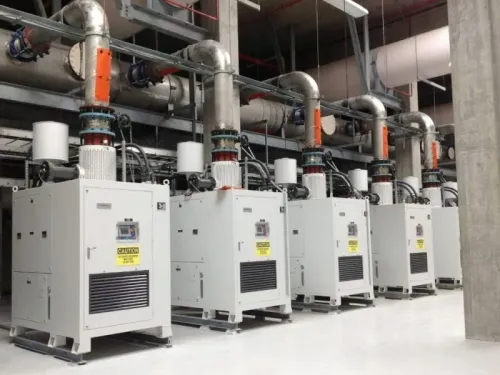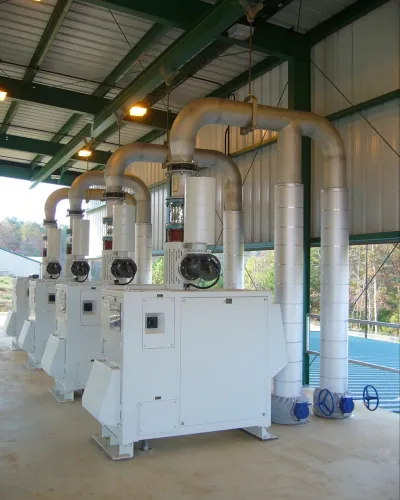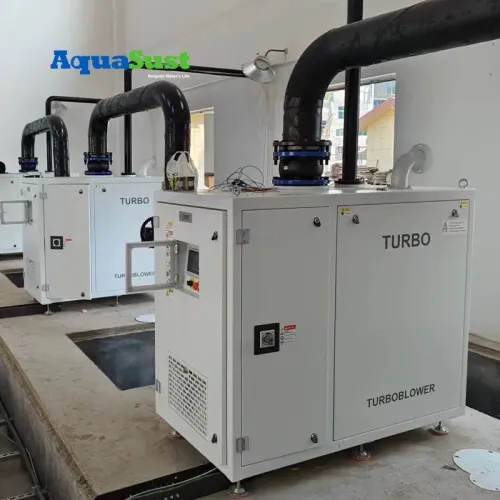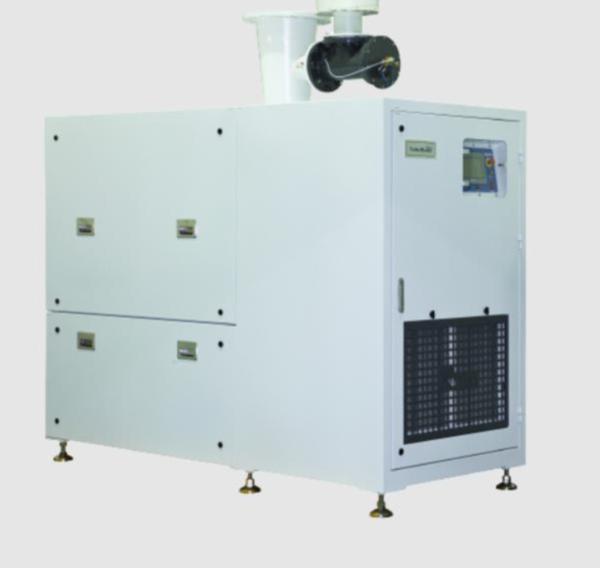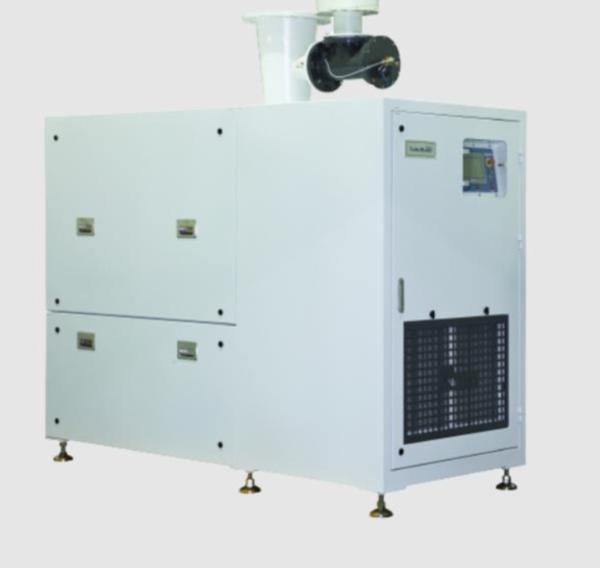
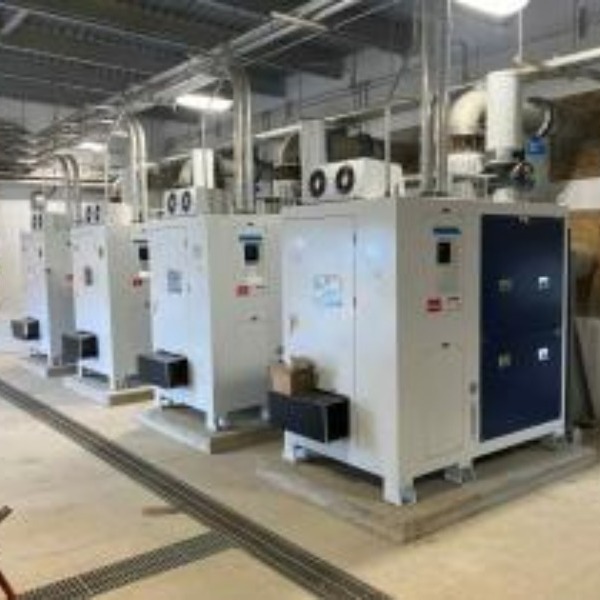
Modern industries depend on reliable airflow for a wide range of production and process applications. From wastewater treatment to pneumatic systems, consistent air supply is essential for smooth operations. An Industrial Turbo Blower provides high-speed, efficient airflow designed to meet demanding industrial requirements.
As industries focus more on energy management, equipment efficiency has become an important consideration. Blower systems often operate for extended periods, making their energy consumption a significant part of operating costs. Efficient turbo blower technology can help industries optimize airflow while managing power consumption.
An Industrial Turbo Blower uses advanced aerodynamic technology to generate the required airflow and pressure. Its high-speed operation can provide efficient air delivery with a compact equipment design. This makes turbo blowers suitable for applications where performance, reliability.
Industrial facilities also need equipment that can operate consistently under changing process conditions. Modern turbo blower systems can be integrated with control and monitoring technologies to adjust airflow according to demand. This allows operators to manage blower performance more effectively.
Choosing the appropriate blower is important for achieving the expected efficiency. Airflow requirements, discharge pressure, operating range, installation conditions, and process requirements should be evaluated before selecting equipment. Proper sizing helps prevent unnecessary energy use and supports dependable operation.
How an Industrial Turbo Blower Works
An Industrial Turbo Blower works by using a high-speed impeller to accelerate air and generate the pressure required by the application. Air enters the blower and passes through the impeller, where its velocity increases. The airflow is then converted into usable pressure before being delivered to the process system.
The aerodynamic design of the blower plays an important role in its overall performance. Carefully engineered impellers and airflow passages help minimize energy losses during operation. This allows the blower to deliver the required airflow efficiently under suitable operating conditions.
Turbo blowers can also be equipped with advanced control systems. Variable-speed operation can help match blower output with actual process demand instead of continuously operating at maximum capacity. This can be particularly useful in applications where airflow requirements fluctuate throughout the day.
Monitoring systems can provide information about operating parameters such as airflow, pressure, temperature, and power consumption. Having access to this information helps operators understand equipment performance and identify operating conditions that may require attention.
Key Benefits of Industrial Turbo Blowers
One of the main advantages of an Industrial Turbo Blower is its potential for energy-efficient operation. Modern aerodynamic designs are developed to reduce losses and deliver airflow with optimized power consumption. Over long operating periods, efficient equipment can contribute to better overall energy management.
Turbo blowers can also provide stable airflow for industrial processes. Consistent air delivery is important in applications where variations in pressure or airflow can affect process performance. Properly selected equipment helps maintain the required operating conditions.
Another benefit is the compact nature of many turbo blower systems. Their high-speed design can provide substantial airflow from a relatively compact package. This can be useful for industrial facilities where equipment-room space is limited or where existing systems need to be upgraded.
Operational flexibility is also important for modern industrial plants. Depending on the model and configuration, turbo blowers can be integrated with automated controls to respond to changing airflow requirements. This helps operators manage equipment according to actual process demand.
Industrial Applications of Turbo Blowers
Turbo blowers are used across several industries where reliable air supply is required. Wastewater treatment plants use blowers for aeration, while manufacturing facilities may require compressed or process air for different production activities. The specific blower configuration depends on the application's airflow and pressure requirements.
In wastewater treatment, an Industrial Turbo Blower can supply air to biological treatment systems. The airflow supports microorganisms that require oxygen for the treatment process. Efficient aeration can therefore contribute to reliable plant operation and improved energy management.
Industrial turbo blowers can also be used in applications such as pneumatic conveying, combustion air supply, fermentation, chemical processing, and other process-air requirements. Each application has different operating conditions, so blower selection should be based on the actual process specifications.
For facilities replacing older blower equipment, turbo technology can also be considered as part of an equipment modernization project. Before upgrading, engineers should evaluate existing piping, pressure losses, airflow requirements, controls, and operating conditions to ensure compatibility with the new system.
Improving Efficiency Through Proper Blower Selection
Selecting the correct Industrial Turbo Blower begins with determining the required airflow and pressure. These parameters should be based on actual process requirements rather than simply choosing equipment with the highest available capacity. Correct sizing helps the blower operate closer to its intended performance range.
Operating conditions should also be considered during the selection process. Ambient temperature, installation altitude, air quality, pressure requirements, and expected operating hours can influence blower performance. A detailed assessment can help identify the appropriate configuration.
Control capability is another important factor. If the process demand changes frequently, a blower with suitable speed control and automation can provide greater operational flexibility. Adjusting airflow according to demand may also help reduce unnecessary power consumption.
Maintenance and service requirements should not be overlooked. Regular inspection of filters, bearings, electrical systems, controls, and other components can help maintain reliable operation. Following the manufacturer's recommended maintenance schedule supports long-term equipment performance.
Why Energy Efficiency Matters in Industrial Air Systems
Industrial blowers may operate continuously or for several hours each day, making energy consumption an important operating consideration. Even small improvements in efficiency can become meaningful when equipment operates for long periods. This is why blower selection should consider both initial investment and long-term operating requirements.
An Industrial Turbo Blower can support energy-management goals through efficient aerodynamic performance and demand-based operation. However, actual energy savings depend on factors such as system design, operating conditions, control strategy, and equipment sizing.
The complete air system should also be evaluated when improving efficiency. Air leaks, excessive pressure losses, poorly designed piping, and unsuitable diffusers or process equipment can increase the blower's workload. Addressing these system-level issues can improve overall performance.
For this reason, upgrading the blower alone may not always deliver the expected results. A complete assessment of airflow demand, pressure requirements, piping, controls, and process conditions provides a better foundation for an efficient industrial air system.
Maintenance Tips for Reliable Blower Performance
Regular maintenance is essential for keeping an Industrial Turbo Blower operating efficiently. Operators should monitor key parameters and inspect the equipment according to the manufacturer's recommended schedule. Early identification of unusual operating conditions can help prevent avoidable disruptions.
Air filters and intake systems should be kept clean to maintain appropriate airflow conditions. Blocked or contaminated filters can increase resistance and affect blower performance. Maintaining clean air pathways also helps protect internal components from unwanted contaminants.
Operators should also monitor changes in vibration, temperature, pressure, and power consumption. Unexpected changes can indicate an issue that requires inspection. Using monitoring data as part of routine maintenance can support more proactive equipment management.
Proper maintenance combined with correct installation and operation can help extend equipment service life. A well-maintained blower is better positioned to provide consistent airflow and reliable performance throughout its operating cycle.
Conclusion
An Industrial Turbo Blower can contribute to improved operational efficiency by providing reliable airflow with modern aerodynamic and control technologies. Its applications span wastewater treatment, manufacturing, process air, pneumatic systems, and several other industrial operations.
The benefits of turbo blower technology depend heavily on correct sizing, system design, installation, and operating conditions. Selecting equipment according to actual airflow and pressure requirements helps create a more efficient and dependable air system.
For industries looking to modernize their air-handling infrastructure, evaluating turbo blower technology can be an important part of an overall efficiency strategy. Combining efficient equipment with proper controls, system optimization, and regular maintenance can support reliable long-term industrial operations.
Keywords